Heating and cooling pros in Omaha, NE, discuss the role of air filters and how often they should be replaced.
Omaha, United States – April 28, 2026 / Plumbing Today HVAC /
AC and Furnace Filters Explained
Forced‑air heating and cooling systems rely on effective filters to protect equipment and support healthier air in living spaces. Each time the blower starts, air moves through an air filter before crossing the evaporator coil or heat exchanger and returning through supply vents. Without this barrier, dust and debris can coat internal parts, strain the blower motor, and reduce overall efficiency. Knowing the basics of AC filters and furnace filters helps reduce breakdowns, hot‑and‑cold spots, and excess dust around the home. The sections below explain what filters actually do, how often AC filter replacement and furnace filter replacement should take place, and the main advantages of staying ahead of dirty air filter problems.
What Do Air Filters Do?
An air filter serves as a protective screen inside a forced‑air system. As air circulates through return ducts, particles such as dust, pet hair, lint, and pollen become trapped in the filter media. By capturing this material, an AC filter and furnace filter help:
- Shield the blower motor, evaporator coil, and heat exchanger from dirt buildup
- Maintain steady airflow, which supports proper temperature control and efficiency
- Reduce the amount of dust and allergens that recirculate through rooms
Some filters are designed to capture finer particles that can aggravate asthma or allergy symptoms, supporting better indoor air quality. Without a functioning filter, contaminants collect on critical components, leading to restricted airflow, higher energy use, and a greater chance of premature equipment failure.
How Often Should They Be Replaced?
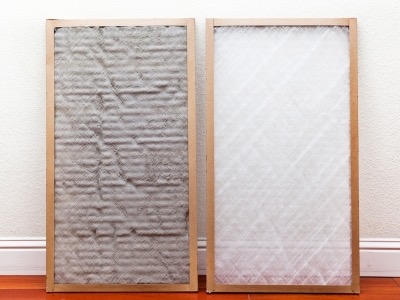 Filter lifespan depends on system usage, indoor conditions, and filter type, but a common guideline is at least every three months. During peak heating or cooling seasons, monthly air filter replacement often works better, especially in homes with pets, smokers, or recent renovation work. A quick visual check can help; a gray, dusty, or visibly clogged surface usually signals that immediate replacement is needed.
More frequent AC filter replacement or furnace filter replacement can also benefit residents with allergies or respiratory issues. Cleaner filters remove more airborne irritants, which may lessen congestion and dust on surfaces. Ignoring replacement intervals allows a dirty air filter to choke airflow, forcing the blower to work harder and increasing wear on other parts of the HVAC system.
What Are the Benefits of Routine Air Filter Replacement?
 Sticking to a regular filter schedule offers several important advantages:
- Improved indoor air quality, with fewer particles circulating through living spaces
- Better efficiency, since the system moves air more easily through a clean filter
- Lower utility costs over time, as the blower and compressor draw less power
- Longer equipment life, because motors and coils do not battle constant dirt and restricted airflow
- Fewer comfort complaints, thanks to more even temperatures and stronger airflow at registers
In contrast, neglected filters can contribute to overheated motors, frozen evaporator coils, and repeated service calls. Treating air filter replacement as a simple, recurring task helps heating and cooling systems operate reliably and efficiently year‑round.
About Plumbing Today HVAC
Plumbing Today HVAC offers top-rated plumbing, heating, cooling, and indoor air quality solutions in Omaha and the surrounding areas. With on-time service from their skilled and licensed team, it’s easy to see why they’re the community’s preferred plumber. Call them today to schedule AC filter replacements in Omaha, NE.


Contact Information:
Plumbing Today HVAC
3150 Spaulding Street
Omaha, NE 68111
United States
Ken Pringle
https://plumbingtodayomaha.com/