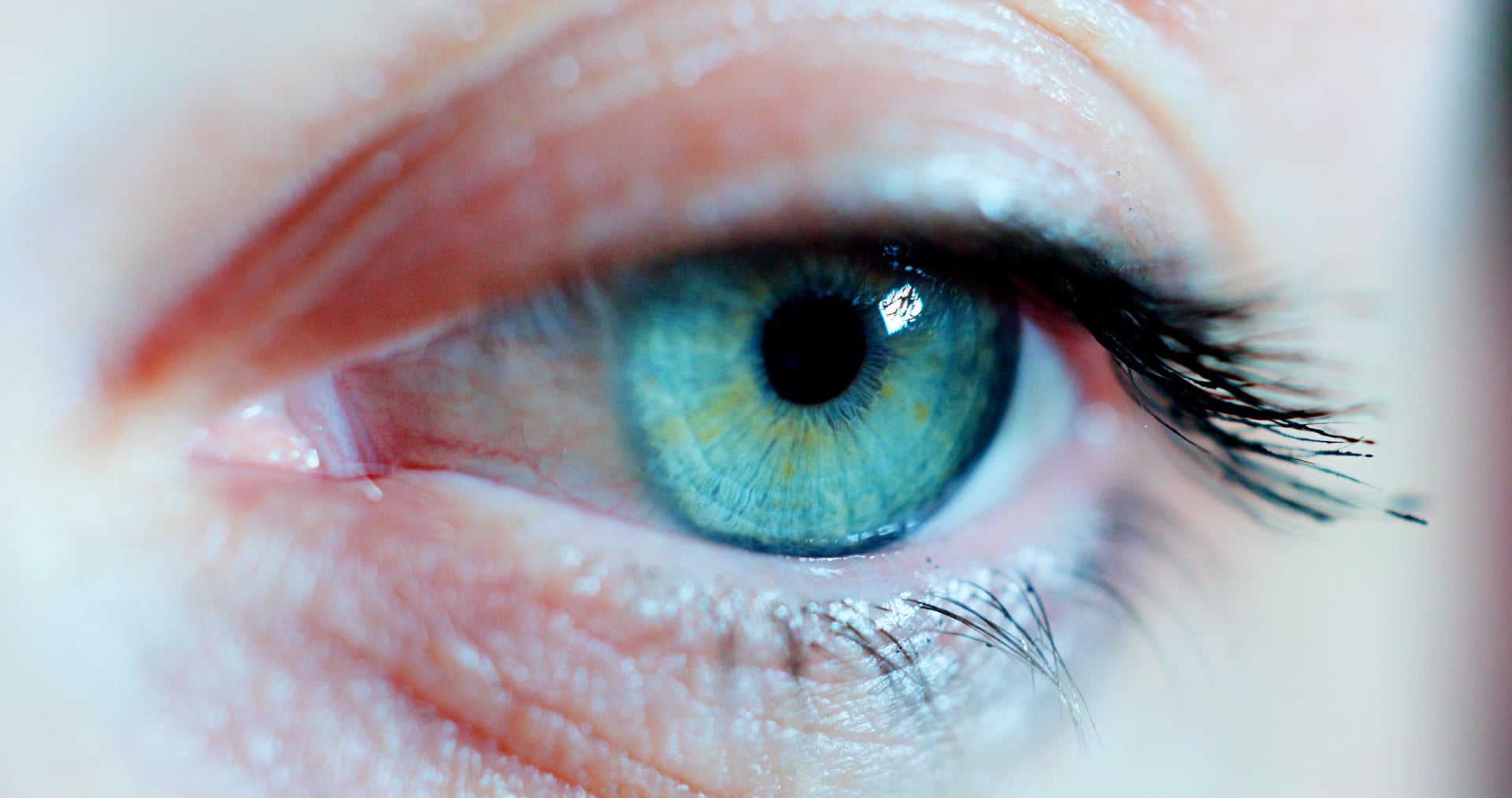
Research published in the Canadian Journal of Ophthalmology estimated that more than 6 million Canadian adults may have dry eye disease. That is a striking number on its own, but it also helps explain why so many people misread what is causing their irritated eyes. When redness, watering, discomfort, and blurred vision start showing up together, it is easy to assume the cause is obvious. In reality, ocular allergy and dry eye can look similar at first, even though they are not the same problem.
Why These Conditions Are So Easy To Confuse
The first reason people mix them up is simple: both can make the eyes feel miserable. Redness, watering, irritation, and sensitivity can appear in either condition, which means symptoms alone do not always tell the full story. That overlap can lead people toward the wrong self-care approach, especially when they are trying to solve the issue quickly.
The bigger distinction is what is happening underneath the surface. Ocular allergy is usually tied to a reaction to environmental triggers such as pollen, dust, or animal exposure, while dry eye is related to tear film instability, low tear production, or tears evaporating too quickly. In other words, one is more about reactivity, and the other is more about lubrication and tear quality.
The Symptom That Most Often Points to Allergy
If there is one clue that strongly suggests ocular allergy, it is itching. Itchy eyes are one of the most common reasons people start thinking about allergies, especially when that itching comes with puffiness, redness, or a watery response after exposure to a likely trigger. Dusty rooms, spring pollen, pets, or mould can all play a role.
Timing also matters. If symptoms flare after being outdoors, cleaning, gardening, or spending time around animals, an allergy becomes more likely. The eyes may feel suddenly reactive rather than gradually more uncomfortable throughout the day. That pattern can be one of the easiest ways to separate allergy-related irritation from other causes.
What Dry Eye Usually Feels Like
Dry eye often has a different character. Instead of intense itching, people are more likely to describe burning, stinging, soreness, or a gritty feeling, as though something is stuck in the eye. Symptoms can become more noticeable during reading, driving, or long stretches of screen use, when blinking tends to become less complete and less frequent.
One detail that throws people off is tearing. Eyes that water are not always well hydrated. Sometimes the eye surface is irritated because it is too dry, and the body responds with reflex tearing. That can make dry eye look more like an allergy than it really is, which is part of why symptom guessing can get frustrating.
Looking at Triggers Can Make the Difference Clearer
A useful way to think about this is to ask what seems to make symptoms worse. Allergy is more likely when a clear environmental trigger is involved. Dry eye is more likely when symptoms build around airflow, heating, air conditioning, windy conditions, or heavy visual tasks that keep the eyes open and focused for long periods.
That does not mean the answer is always one or the other. In fact, mixed patterns are common. Someone may react to allergens and also have an unstable tear film. In that situation, treating only the allergy or only the dryness may help a little, but not enough to fully settle the problem.
Why Self-Diagnosis Has Limits
There is a practical risk in assuming every red, watery eye is caused by the same thing. If the issue is an allergy, reducing exposure and calming the eye surface may help. If the issue is dry eye, the more useful strategy may involve supporting the tear film, improving eyelid hygiene, using lubricating drops, and changing daily habits that worsen evaporation. Using the wrong approach can leave people feeling like nothing is working when the real issue is that the underlying cause has not been identified correctly.
Persistent symptoms also deserve more attention than people sometimes give them. If discomfort keeps coming back, affects vision, becomes painful, or feels unusually severe, it is worth getting professional guidance instead of continuing to guess. That matters even more when symptoms seem mixed or keep shifting.
A Simple Way To Start Reading the Signs
A good starting point is this: itching leans more toward allergy, while burning and grittiness lean more toward dry eye. Then look at the pattern. Did symptoms flare after outdoor exposure or pets, or did they worsen after screens, airflow, and a long day? That kind of basic symptom sorting is not a diagnosis, but it can help you think more clearly about what may be going on.
For readers who want a clearer understanding of what may be causing their symptoms, professional guidance can help put the differences into context. A well-structured guide can make it easier to recognise symptom patterns, connect them to possible triggers, and decide when it may be time to seek further eye care support.
mEYEspa
help@meyespa.com
102-1750 Ernest Ave
London
ON
N6E 3H3
Canada