
Sydney, Australia – April 29, 2026 – The biggest threat to your next presentation, keynote session, or business pitch isn’t lack of content, confidence, or preparation.
It’s the phone in your audience’s hand.
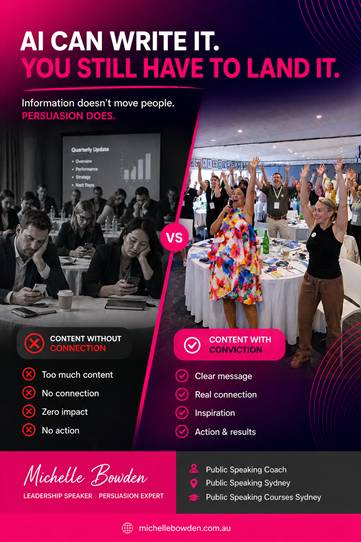
A growing behavioural trend known as “second screening” — where individuals divide their attention between a live interaction and a digital device—is rapidly becoming the norm in meetings, presentations, and keynote presentations. What began as a habit among TV audiences has now firmly embedded itself in the workplace.
The result is a new reality for leaders and presenters: audiences may be physically present, but mentally elsewhere.
According to Michelle Bowden, a leading keynote speaker Sydney organisations trust for high-stakes presentations, this shift represents more than simple distraction—it signals a fundamental change in how attention operates.
“People aren’t being rude,” says Bowden. “They’re responding to a lack of stimulation. If your presentation doesn’t actively involve them, their brain will find something that does—and that’s usually their phone.”
For organisations searching for good keynote speakers or evaluating keynote speakers for hire, the implication is clear: traditional, one-way communication is no longer enough to hold attention or drive outcomes.
Instead, high-performing presenters—including top female keynote speaker talent and leading women keynote speakers globally—are adopting a more interactive, audience-centric approach.
Bowden outlines six key strategies being used to counter second screening and re-engage distracted audiences:
1. Design for interaction, not information
The most effective keynote speakers no longer “deliver” content—they create conversations. By incorporating regular interaction points such as questions, polls, and reflections, they keep audiences mentally engaged and reduce the urge to disengage.
2. Shorten message cycles
Attention spans in live environments have shrunk. Long explanations are replaced with concise, structured bursts of content followed by engagement, shifting the rhythm from monologue to dialogue.
3. Use intentional pattern interrupts
Predictability fuels distraction. Skilled presenters deliberately vary pace and format—moving between slides, storytelling, audience interaction, and data—to reset attention and maintain engagement.
4. Make relevance immediate
Audiences decide within moments whether to engage. High-impact keynote speakers anchor their message in the audience’s real-world challenges and priorities from the outset.
5. Create visibility and accountability
Whether in-person or virtual, visibility drives attention. Eye contact, using names, and inviting contributions creates a sense of accountability that keeps audiences present.
6. Replace the phone—don’t compete with it
Rather than fighting distraction, effective presenters redirect it. When a presentation is dynamic, participatory, and relevant, it naturally becomes more engaging than any device.
Bowden emphasises that the solution is not more slides, more data, or more polish.
“It’s about involvement,” she says. “The keynote speakers who win attention today are the ones who make the audience part of the experience. If people feel included, they stay. If they feel like observers, they leave—physically or mentally.”
As demand continues to grow for keynote speakers for hire who can genuinely engage modern audiences, the ability to hold attention is fast becoming a critical leadership and commercial skill.
To learn more about Michelle Bowden and her work, visit: https://michellebowden.com.au/keynote-speaker/
As second screening continues to shape workplace behaviour, the real competitive advantage isn’t just what you say.
It’s whether anyone is still listening.
Media Contact
Company Name: Michelle Bowden Enterprises
Contact Person: Michelle Bowden
Email: Send Email
Phone: +61 412 391 170
Address:PO Box 1247
City: North Sydney
State: NSW
Country: Australia
Website: https://michellebowden.com.au/