This Mother’s Day, Research Offers a New Way to See the Support Mothers Need
PR Newswire
NEW YORK, May 5, 2026
Study led by Martha G. Welch, MD links stronger support networks to maternal well-being.
NEW YORK, May 5, 2026 /PRNewswire/ — As Mother’s Day approaches, research led by Martha G. Welch, MD highlights a critical but often overlooked factor in maternal well-being: the strength of a mother’s support system.

A tool for making support visible
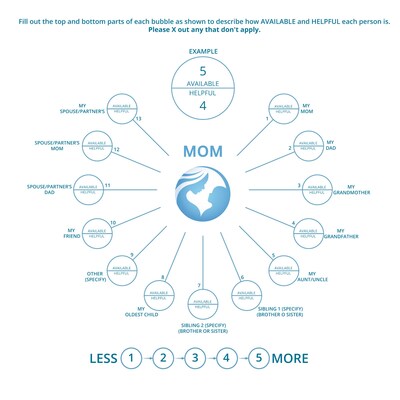
A study published in Acta Psychologica and available through ScienceDirect introduces the Mother’s Socioemotional Support Circle, a novel clinical tool designed to assess and strengthen the network of emotional and practical support surrounding mothers of preterm infants in neonatal care.
While validated in a neonatal setting, the tool’s central insight carries broader relevance across early childhood, including the preschool years: mothers do better when their support systems are visible, reliable, and actively strengthened, especially when they are facing high-stress parenting challenges such as tantrums, meltdowns, sleep difficulties, and school-related issues.
What the study found
The findings showed that mothers with stronger support networks reported lower levels of anxiety and depressive symptoms, and that stronger baseline support predicted fewer depressive symptoms and greater confidence caring for their babies over time.
“Motherhood is often framed as something women should manage alone, with the ability to ‘do it all’ widely celebrated,” said Martha G. Welch, MD. “Our research shows that maternal well-being is, in fact, part of a relational network. When we can see and strengthen a mother’s support circle, we can directly impact her mental health and her ability to care for her child.”
The Support Circle tool provides a simple, visual way for mothers and clinicians to identify key support figures — including partners, family members, friends and healthcare providers — and evaluate how accessible and helpful those relationships are.
Unlike assessments that focus primarily on symptoms, the tool offers a proactive way to identify where support is strong, where it is missing, and where targeted actions may help before distress escalates.
Among the findings:
- Higher support scores were associated with lower maternal anxiety and depressive symptoms.
- Stronger baseline support predicted fewer depressive symptoms and greater confidence caring for their babies over time.
- The tool demonstrated strong reliability and was practical for use in real-world care settings.
These findings arrive at a critical moment, as maternal mental health remains a major concern for families, clinicians and health systems.
“Support is not optional, it is foundational,” added Martha G. Welch, MD. “If we want to improve outcomes for mothers and babies, we must design systems that care for the mother as much as for the child.”
This Mother’s Day, the research invites a shift in perspective: from celebrating mothers for carrying so much alone to recognizing the networks that help them and their children thrive. Parents and clinicians can download the Support Circle tool here.
About the study
The study, “Development and validation of the Mother’s Socioemotional Support Circle (MSSC),” was published in Acta Psychologica, Volume 258, August 2025, and is available through ScienceDirect. It evaluated a new tool for measuring support networks among mothers of preterm infants.
About Martha G. Welch, MD
Martha G. Welch, MD, is Professor Emerita of Psychiatry in Pediatrics and in Pathology & Cell Biology at Columbia University Irving Medical Center. She is the founder of the Martha G. Welch Center for Emotional Connection.
 View original content to download multimedia:https://www.prnewswire.com/news-releases/this-mothers-day-research-offers-a-new-way-to-see-the-support-mothers-need-302760214.html
SOURCE Martha G. Welch Center for Emotional Connection