
Essential Insights and Cost Considerations for New England Homeowners
North Andover, United States – June 22, 2026 / Crack-X Merrimack Valley /
By Doug Chirichiello, CrackX
Unrepaired foundation problems can cause major structural damage. Foundation crack repair and basement waterproofing keep a home safe and dry; this article explains their differences, typical costs, and warning signs for New England homeowners.
With variable weather and soil movement, understanding these options can save time and money and points homeowners to local specialists such as CRACK-X.
Essential Considerations
Identify the root cause: moisture problems typically require waterproofing, while structural movement needs foundation crack repair. Use a contractor familiar with New England conditions to ensure an accurate diagnosis and appropriate treatment.
Differences Between the Two Methods
These services use different techniques and target different problems.
- Foundation Crack Repair: Addresses structural deficiencies with techniques like crack injection or underpinning to stabilize the foundation.
- Basement Waterproofing: Prevents moisture intrusion using sump pumps, membranes, and drainage to manage and redirect water.
Choose the solution that matches the root cause—structural repair for movement, waterproofing for water entry.
Key Signs Indicating the Need for Foundation Crack Repair
Watch for these indicators of foundation movement or failure:
- Cracks in Walls or Ceilings: Visible, widening, or angled cracks can signal structural issues.
- Uneven or Sloping Floors: May indicate settlement or shifting foundations.
- Sticking Doors and Windows: Difficulty opening or closing can reflect frame movement tied to the foundation.
Early action reduces the risk of further damage.
Cost Factors
Costs vary by problem severity and chosen method; the table below shows typical ranges.
| Service Type | Average Cost | Factors Affecting Price |
|---|---|---|
| Crack Injection Repair | $500 to $1,500 | Severity of the crack, access difficulty |
| Polyurethane Foam Injection | $1,000 to $3,500 | Size of the affected area |
| Underpinning | $3,000 to $15,000 | Foundation type and location |
| Basement Waterproofing | $2,000 to $8,000 | System complexity, area size, and installation specifics |
These ranges help homeowners budget and compare estimates. CRACK-X of New England offers both foundation crack repair and basement waterproofing services tailored to local conditions.
How to Identify Different Types of Foundation Cracks
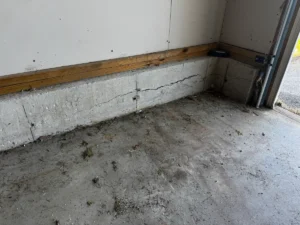 Crack type guides urgency and repair method. Common types include:
- Hairline Cracks: Superficial, often cosmetic.
- Vertical Cracks: Usually due to settling; monitor for growth.
- Diagonal Cracks: May indicate more significant movement.
- Stair-step Cracks: Common in masonry and signal settling issues.
Match repair technique to crack type to prevent worsening damage.
Impact of New England Climate on Foundation Crack Development
The New England climate affects foundations through:
- Freeze-thaw cycles: Soil expands and contracts, stressing foundations.
- Heavy rainfall: Saturated soil increases hydrostatic pressure on walls.
- Soil movement: Moisture changes can shift soils and foundations.
Proactive drainage and inspections reduce climate-related risk.
How Do Basement Waterproofing Systems Prevent Water Leakage?
Typical waterproofing components include:
- Sump Pumps: Remove water before it causes damage.
- Waterproof Membranes: Create barriers against moisture.
- Drainage Systems: Redirect groundwater away from the foundation.
Combined systems provide the most reliable protection.
Common Types of Basement Waterproofing Solutions Available
Common approaches are:
- Exterior Waterproofing: Excavation and membrane application outside the foundation.
- Interior Sealants: Applied on interior walls to reduce minor seepage.
- French Drains: Perimeter drains that route water away from the foundation base.
Choose the method that fits the source and severity of water entry.
Effectiveness of Waterproof Membranes Against Hydrostatic Pressure in New England
Quality membranes, when correctly installed, resist hydrostatic pressure in moist soils and limit moisture intrusion in flood-prone or heavy-rain areas. Local installer experience improves long-term performance.
What Are the Cost Comparisons Between Foundation Crack Repair and Basement Waterproofing?
Typical cost differences to consider:
- Foundation crack repair: From about $500 for minor fixes to $15,000 for structural reinforcement.
- Basement waterproofing: Generally $2,000 to $8,000 depending on method and complexity.
View these as investments in structural integrity and property value.
Factors Influencing Foundation Crack Repair Cost in New England
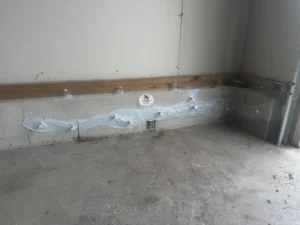 Cost drivers include:
- Severity of damage: Extensive damage raises costs.
- Foundation type and accessibility: Hard-to-reach areas increase labor needs.
- Regional pricing: Local market rates affect estimates.
For detailed evaluations and repair services, consult qualified specialists.
Long-Term Maintenance and Lifetime Expectations of Waterproofing Systems
Regular inspections and timely repairs extend system life; a well-installed system can last decades, with longevity depending on materials and maintenance.
How to Choose the Right Foundation Repair Contractor Near You?
Prioritize contractors with proper licensing, insurance, local experience, references, and clear warranty options to ensure dependable work.
Key Qualifications and Experience to Look for in Repair Professionals
Ask about licensing and insurance, experience with similar foundation issues, past project examples, and warranty coverage before hiring.
Questions to Ask Contractors About Crack Injection and Waterproofing Services
Useful questions include their experience with local conditions, examples of past projects, client reviews, and details of warranties and service expectations.
Frequently Asked Questions
What are the main causes of foundation cracks in New England?
Freeze-thaw cycles, heavy precipitation that raises hydrostatic pressure, and soil moisture changes are common causes.
How often should I inspect my basement for water damage?
Inspect at least twice a year and after major storms; check for damp spots, odors, or visible water.
Can I perform DIY repairs for minor foundation cracks?
Minor cosmetic cracks can be filled, but consult a professional if cracks appear structural or you are unsure.
What are the long-term benefits of basement waterproofing?
Waterproofing prevents mold, structural deterioration, and damage to belongings while improving indoor air quality and preserving property value.
What signs indicate that basement waterproofing may be needed?
Look for water stains, musty smells, recurring puddles, peeling paint, persistent dampness, or mold growth.
How do I maintain my waterproofing system after installation?
Inspect seals and membranes regularly, keep drains and sump pumps clear, and schedule professional checks after major weather events.
What should I consider before choosing a waterproofing method?
Consider the entry point, frequency and depth of water, basement layout, and budget; consult local professionals for tailored recommendations.
Conclusion
Addressing foundation cracks or waterproofing needs protects your property from moisture and structural damage. Understand the root cause, consult an experienced local contractor, and choose the repair or waterproofing approach that best matches your home’s condition.


Contact Information:
Crack-X Merrimack Valley
800 Turnpike Street #300
North Andover, MA 01845
United States
Doug Chirichiello
(978) 687-4195
https://crackx.com/


