
Key Takeaways
- At-home vagus nerve stimulation is being added to daily routines for stress resilience, better sleep, steadier mood, and overall nervous system support.
- Heart rate variability, inflammation control, and digestion are three nervous system markers closely tied to vagus nerve activity worth paying attention to.
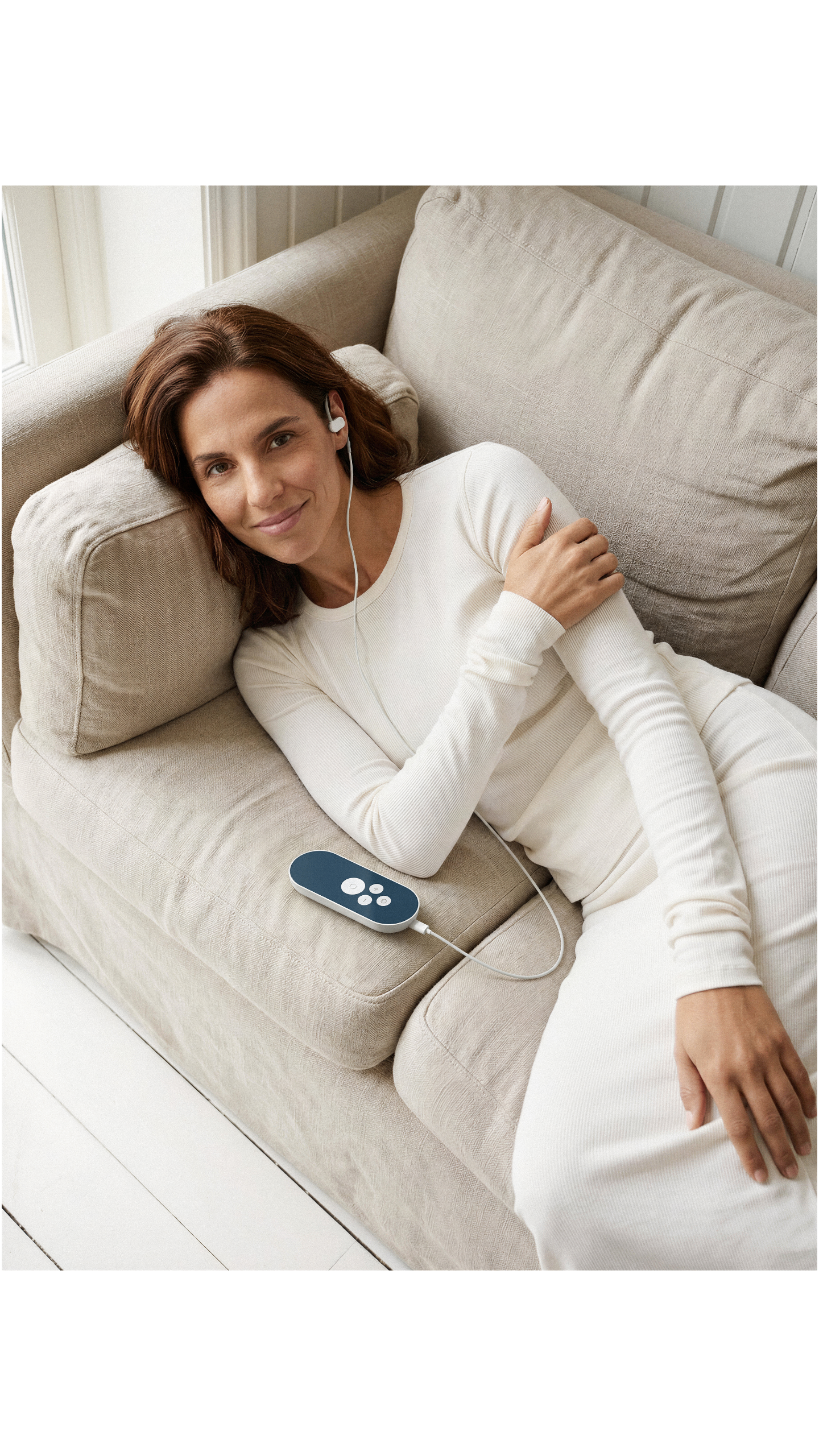
- A wearable device like Nuropod provides a non-invasive, drug-free way to fit vagus nerve stimulation into an already busy day.
Stress does not announce itself politely. It shows up as a racing heart before a meeting, a stomach that will not settle after lunch, or a mind that keeps replaying the same worry at 2 AM. More people are looking past pills and quick fixes toward a different approach: stimulating the vagus nerve, the body’s largest communication line between brain and organs, right from home.
Why At-Home Stimulation Is Catching On
The vagus nerve is a central player in the parasympathetic nervous system, the part of the body responsible for rest, digestion, and recovery after a threat has passed. When this nerve gets consistent, gentle input, it can help the body find its way back to a calmer baseline instead of staying stuck in overdrive. That idea is not new to clinical settings, but it has recently moved into living rooms and home offices thanks to wearable, auricular devices.
Transcutaneous auricular vagus nerve stimulation, usually shortened to taVNS, applies mild electrical impulses to the ear, where a branch of the vagus nerve sits close to the skin.
Reasons for trying it vary from person to person, but a few themes come up again and again, including steadier stress responses, deeper sleep, more even moods, and support for markers like heart rate variability and gut comfort. The sections ahead walk through each of these in detail.
Calming the Stress Response
Shifting Toward Rest-and-Digest
When stress hits, the sympathetic nervous system takes over fast, triggering the familiar fight-or-flight surge: tight chest, racing thoughts, shallow breathing. Vagus nerve stimulation sends calming signals from the ear to brainstem hubs that coordinate this exact response, helping tilt the balance back toward the parasympathetic, rest-and-digest mode. Over repeated sessions, this shift can make it easier to respond to pressure with a clear head rather than react on autopilot.
People who build this into a routine often describe a quicker “downshift” after stressful moments, whether that is the tension after a difficult conversation or the frustration of sitting in traffic. The goal is not to eliminate stress responses entirely, since some sympathetic activity is normal and useful, but to help the nervous system recover its footing faster once the pressure passes.
Better Sleep and More Even Mood
Reducing Hyperarousal at Night
A nervous system that stays “amped” after dark makes falling asleep and staying asleep much harder. This is where taVNS has drawn particular research interest. In a study on chronic insomnia disorder, taVNS significantly improved sleep quality, insomnia severity, and overall quality of life compared with a sham condition. The mechanism traces back to the same rest-and-digest shift discussed earlier: as hyperarousal eases, the brain can move through sleep stages more smoothly, with fewer of the small awakenings that fragment rest.
People using auricular stimulation in the evening often describe less of that “wired and tired” feeling at bedtime, along with more continuous sleep and clearer mornings. None of this replaces good sleep hygiene, but it can work alongside habits like a consistent bedtime and reduced screen exposure.
Easing Rumination During the Day
Rumination, the mental habit of replaying a worry or an awkward moment over and over, tends to feed on background nervous system arousal. Lowering that arousal through vagus nerve stimulation appears to make it easier to step out of these thought loops.
For someone prone to replaying a tense email exchange or spiraling over a looming deadline, a calmer baseline can mean a faster reset and steadier tone throughout the day’s conversations.
Nervous System Health Markers Worth Watching
Heart Rate Variability and a Calmer Heart
Heart rate variability, or HRV, measures the tiny fluctuations between heartbeats, and it serves as a useful window into how flexibly the nervous system handles stress. Higher HRV is generally linked to stronger autonomic balance, better emotional regulation, and sharper cognitive function, all of which add up to greater resilience against stress and illness. The vagus nerve acts almost like a brake on the heart’s natural pacemaker, so engaging this pathway through gentle stimulation tends to show up as steadier HRV readings over time.
Gut-Brain Connection and Digestion
The gut and brain stay in constant contact, and the vagus nerve is the primary line connecting them. It plays a role in regulating the gut-brain axis, influencing motility, secretion, absorption, and even immune activity within the digestive tract. Vagus nerve stimulation has shown promise across various inflammatory disorders, including inflammatory bowel disease, by suppressing the production of inflammatory cytokines, and researchers have suggested that stimulating the vagus nerve to trigger its anti-inflammatory effects may be a potential therapeutic approach for the condition.
Movement-based habits can reinforce this same pathway. Activities like yoga, Pilates, or a brisk walk are known to help stimulate and tone the vagus nerve, which in turn supports digestive health. Pairing these habits with auricular stimulation sessions may offer a fuller approach to keeping digestion steady and predictable.
Fitting Stimulation Into a Daily Routine
One of the biggest draws of at-home vagus nerve stimulation is how little it disrupts an existing schedule. A typical session runs around 20 minutes, short enough to pair with morning coffee, a stretch of email replies, or a wind-down routine before bed. Because the stimulation is gentle, adjustable, and worn rather than administered, it fits into daily life the same way a pair of headphones might.
Habit-stacking tends to be the most effective strategy for building consistency:
- Pairing a session with an already-established habit, like morning reading or an afternoon break
- Keeping intensity at a light, noticeable tingling rather than pushing for a stronger sensation
- Using the device somewhere quiet and portable enough to travel with, so routines do not break during trips
Consistency matters more than intensity here. A short, steady daily practice tends to build the kind of cumulative nervous system support that occasional, longer sessions cannot match.
A Non-Drug Option for Overlooked Symptoms
Some symptoms do not respond well to conventional treatment, or they linger even after other options have been tried. Persistent fatigue, recurring headaches, or sleep issues that outlast typical interventions can leave people feeling like they have run out of paths forward. Non-invasive vagus nerve stimulation has drawn attention precisely because it opens a drug-free avenue for investigation of these harder-to-treat patterns, without the dependence risk tied to certain pharmacological approaches.
This does not replace medical care or professional guidance for serious conditions. The vagus nerve has become a recognized therapeutic target worth watching, especially for people who feel like they have exhausted the usual options and are looking for a complementary, non-drug tool to add to what they already do.
A Science-Driven Path to a Balanced Nervous System
Nervous system health is not a single switch to flip; it is a pattern built from small, repeated signals sent over time. Vagus nerve stimulation offers one way to send those signals consistently, whether the goal is steadier stress recovery, more restful sleep, a calmer gut, or simply fewer days spent running on empty.
For anyone curious about where to start, pairing a short daily session with an existing habit, like morning coffee or an evening wind-down, tends to be the easiest way to build lasting consistency. Those interested further may find it useful to look into vagus nerve stimulation as a starting point for building a steadier, more balanced nervous system routine.
Disclaimer: Research referenced in this article was conducted using Parasym’s neuromodulation technology under research conditions. Findings relate to specific study populations and should not be interpreted as guaranteed individual outcomes. Nuropod is classified by the FDA as a non-significant risk device and is not intended to diagnose, treat, cure, or prevent any disease.
Nuropod by Parasym
press@nuropod.com
2108 N Street
Sacramento
California
95816
United States


