
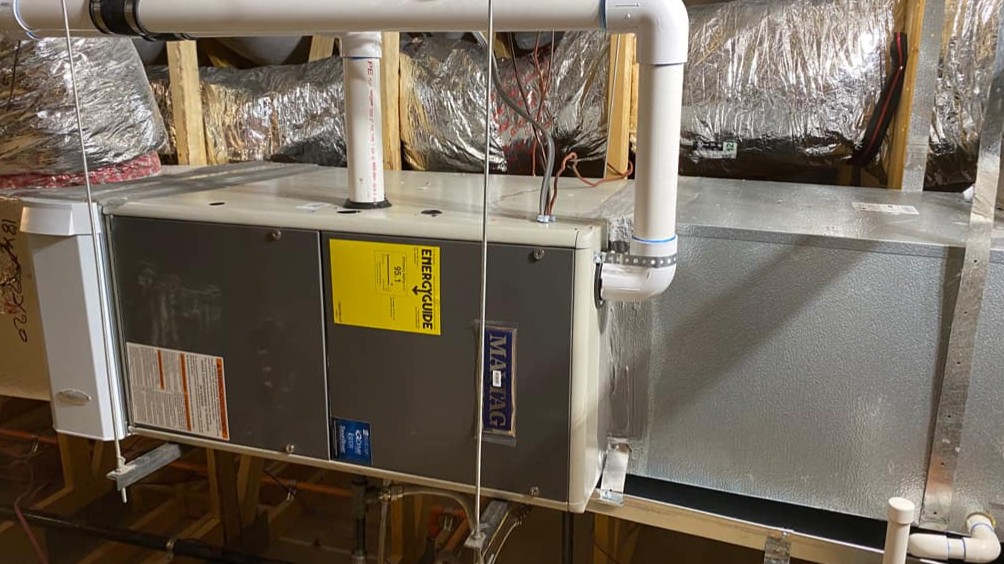
Key Takeaways
- A professional furnace inspection should check the heat exchanger, flue draft, gas piping, electrical connections, and safety controls before cold weather sets in
- Carbon monoxide alarms belong on every level of the home and near sleeping areas, and testing them monthly can catch a failing unit before it becomes a danger
- A yellow furnace flame, soot near the burner, or short-cycling are warning signs that call for a technician rather than a DIY fix
- Changing the furnace filter and clearing combustible items at least three feet from the unit are simple steps any homeowner can do before heating season
- Black Mountain Air has serviced Las Vegas Valley furnaces since 2006, and the full scope of a proper combustion-system repair is worth understanding before heat is needed on a cold night
Las Vegas winters rarely feel brutal, but when overnight temperatures dip toward freezing, a furnace that has not run since last spring gets asked to work hard without warning. A gas furnace that sat idle for months can develop small problems that turn into safety hazards once it fires back up, which is exactly why heating season should start with a safety check rather than a thermostat switch. Getting ahead of the issue protects both the home and the people living in it.
Why a Furnace Safety Check Matters Now
A furnace that has not run in months is an unknown quantity. Dust may have settled on the burners, a pilot assembly might be dirty, or a crack in the heat exchanger could have gone unnoticed since the unit last shut down for the season. The U.S. Consumer Product Safety Commission recommends that a qualified professional inspect fuel-burning heating equipment, along with related chimneys, flues, and vents, every year before relying on it again.
That guidance exists because furnace problems are not always obvious until something goes wrong. A cracked heat exchanger, a blocked flue, or a loose gas connection can allow carbon monoxide to build up indoors without any visible sign. Furnace repair professionals routinely catch these issues during a pre-season inspection, long before a homeowner would notice anything unusual.
Planning a furnace check before the first cold snap takes only a few minutes and costs far less time and stress than dealing with a mid-winter breakdown or a safety emergency. The sections below walk through what a professional inspection covers, which warning signs call for immediate attention, and which simple checks homeowners can handle themselves.
What a Professional Furnace Inspection Covers
A thorough furnace inspection goes well beyond a quick glance at the thermostat. It involves testing individual components that work together to burn gas safely, move heated air through the home, and shut the system down automatically if something goes wrong.
Checking the Heat Exchanger, Flue Draft, and Safety Controls
The heat exchanger separates the combustion gases from the air that circulates through the home. A damaged or corroded heat exchanger can allow carbon monoxide to mix with breathing air, making it one of the most important components a technician examines during a tune-up. Inspectors also clean the ignition assembly, check the combustion air supply, test the furnace’s starting capability, and monitor flue draft to confirm exhaust gases vent outside the home rather than backing up indoors. Safety controls, built to shut the furnace down if temperatures or pressures move outside a safe range, get tested as well.
The Consumer Product Safety Commission notes that a professional inspection should also include checking chimneys and flues for blockages, corrosion, partial or complete disconnections, and loose connections. A flue that looks fine from a few feet away can still have a small gap or rust spot that affects how well it vents exhaust.
Gas Piping, Electrical, and Moving Parts
Beyond combustion safety, a complete furnace tune-up examines the system’s gas piping, electrical connections, and mechanical parts. A technician typically inspects gas piping for leaks or damage, tightens electrical connections, and measures voltage and amperage to confirm the furnace is drawing power correctly.
Lubricating moving parts, cleaning condensate drains, and checking the temperature difference between supply and return air round out a complete service visit. Monitoring a full heating cycle at the end of the inspection confirms that all these individual checks add up to a furnace that runs safely and consistently once real cold weather arrives.
Warning Signs You Shouldn’t Ignore
Some furnace problems announce themselves clearly. Knowing what to look, listen, and smell for can mean the difference between a quick repair and a dangerous situation.
A Yellow Flame or Soot Near the Burner
A healthy gas furnace burns with a steady blue flame. A yellow or orange flame often signals that the burner is out of adjustment and needs professional attention. Soot buildup around the burner area or vents points to the same underlying issue: incomplete combustion, which can produce more carbon monoxide than a properly adjusted burner would.
Neither of these signs should wait until a convenient weekend. A flame color change or soot deposit flags that the combustion process is not working the way it should, and that calls for a technician’s attention rather than a homeowner’s.
Cracked, Rusted, or Blocked Vents
Vents and flues carry combustion byproducts safely outside the home, so anything that compromises them is a real concern. Cracked, rusted, misaligned, or clogged vents can all interfere with that process, and these conditions are among the top things a furnace safety check should catch. In the Las Vegas Valley, wind-blown dust, leaves and debris are the more common culprits around exterior vents.
A quick visual check of accessible vents for rust streaks, dents, or obstructions takes only a few minutes and can catch a problem before it becomes a hazard.
Furnace Short-Cycling or Unusual Noises and Smells
A furnace that turns on and off repeatedly in short bursts, known as short-cycling, is rarely a minor annoyance. It often points to an airflow restriction, a failing sensor, or another mechanical issue forcing the system to shut down prematurely for its own protection. Unusual noises, from banging and rattling to a high-pitched squeal, along with odd smells like burning dust or a sulfur-like odor, deserve the same level of attention.
Any of these symptoms are a signal to schedule a service call rather than wait and see if the problem resolves on its own. Furnace issues tend to get more expensive and more dangerous the longer they go unaddressed.
Homeowner Checks You Can Do Yourself
Not every furnace safety step requires a technician. Several simple tasks fall well within a homeowner’s reach and make a real difference in how safely a furnace operates through the season.
Place and Test Carbon Monoxide Alarms
Carbon monoxide alarms are a frontline defense against a gas furnace malfunction. The Consumer Product Safety Commission recommends installing alarms on every level of the home and outside sleeping areas, since carbon monoxide can build up while people are asleep and unaware anything is wrong. Interconnected alarms add an extra layer of protection because when one unit sounds, all the connected units sound too, helping make sure the alert is heard throughout the house.
A few habits keep these alarms reliable:
- Test every alarm at least once a month, as recommended by both the Consumer Product Safety Commission and the National Fire Protection Association.
- Replace batteries at least once a year unless the alarm uses a sealed ten-year battery.
- If an alarm sounds, move everyone to fresh air immediately, call for help from that location, and stay outside until emergency responders arrive.
Change the Filter and Clear Combustibles
A dirty furnace filter restricts airflow, which forces the system to work harder and can reduce efficiency over time. Changing the filter regularly is one of the simplest ways to keep a furnace running smoothly, and it also cuts down on dust circulating through the home.
Keeping the area around the furnace clear matters just as much. The National Fire Protection Association recommends keeping anything that can burn at least three feet away from heating equipment, and the Air-Conditioning, Heating, and Refrigeration Institute echoes that advice, adding that combustible materials such as gasoline and paint thinners should be stored well away from the unit. The front access panel should always stay properly secured during operation, since removing it can bypass a safety switch on newer units or, on some older models, allow the furnace to run with the panel off entirely.
Run a Test Cycle Before the Cold Hits
Turning the furnace on for a trial run before the first genuinely cold night provides a low-stakes way to catch problems early. Running the system and checking that warm air reaches every room in the home can reveal a closed vent, a weak blower, or an uneven heating pattern that would otherwise go unnoticed until the temperature actually drops. If a room stays cold or the furnace takes unusually long to produce warm air, that is useful information to share with a technician.
Why Combustion Repairs Need a Licensed Technician
Gas piping, burner adjustments, heat exchanger repairs, and flue work all fall into a category where a small mistake can create a serious hazard. These are not projects suited to trial and error: the margin for error with combustion equipment is slim, and the consequences of a mistake can include gas leaks or carbon monoxide exposure.
A licensed technician brings training, the right diagnostic tools, and accountability to this kind of work. Black Mountain Air has served the Las Vegas Valley since 2006, is licensed in Nevada under license number 0063698, bonded, and insured, and services all makes and models of residential furnaces. That combination of licensing and experience matters most precisely in the combustion-system repairs that homeowners should never attempt on their own.
A Safer Heating Season Starts With Inspection
A safe furnace season comes down to a few clear priorities: schedule a professional inspection that checks the heat exchanger, flue, and safety controls; watch for warning signs like a yellow flame or short-cycling; handle the homeowner-level basics like alarm testing and filter changes; and leave anything involving gas lines or combustion to a trained technician. None of these steps are complicated on their own, but together they add up to meaningful protection for a household heading into the cooler months.
For anyone who has not had a furnace looked at recently, scheduling a professional furnace safety inspection before the first real cold snap is a practical way to head into heating season with confidence.
Black Mountain Air
660 Middlegate Rd
Henderson
Nevada
89011
United States


